
Introduction
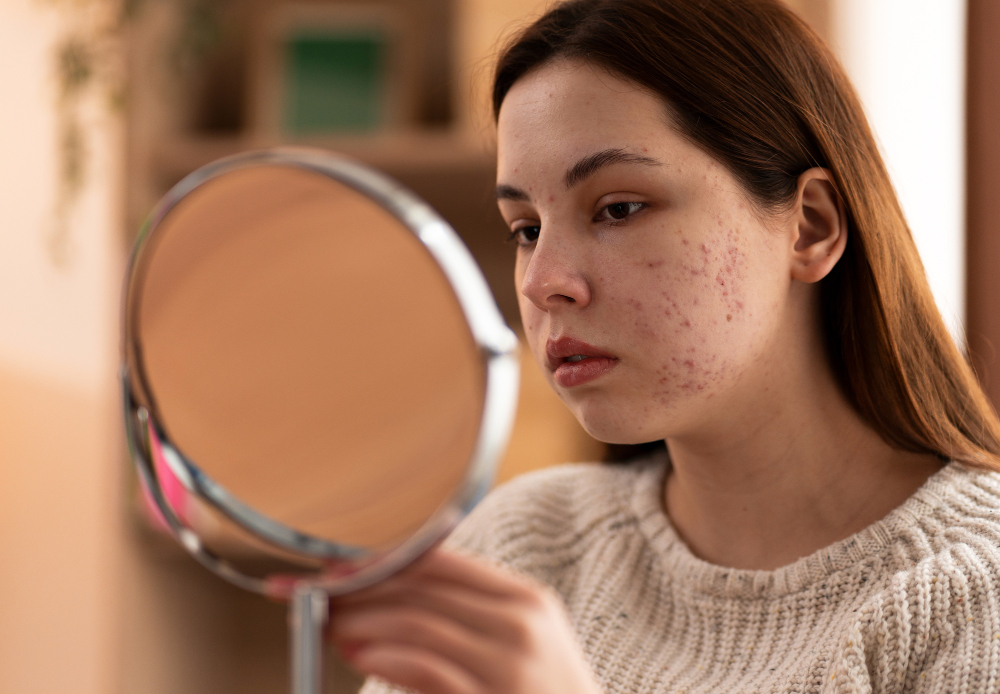
Acne may disappear over time, but the marks and changes in skin texture it leaves behind can sometimes last much longer. For many people, acne scars, dark spots, and uneven skin can affect how they feel about their complexion.
The good news is that different treatment options are available to help improve the appearance of acne-related marks and scars. The most suitable approach depends on the type of scarring, your skin type, and your individual skincare goals.
Understanding the difference between acne marks and true acne scars is the first step towards choosing the right treatment.
What Is the Difference Between Acne Marks and Acne Scars?
Although acne marks and acne scars are often discussed together, they are not the same thing.
Acne marks are areas of discolouration that remain after a spot has healed. They may appear red, pink, brown, or darker than the surrounding skin. These marks can gradually fade over time, although some may persist for months or longer.
Acne scars develop when inflammation damages the skin and affects its healing process. Some scars create depressions or uneven areas, while others produce raised, thicker tissue.
Identifying which type of concern you have is important because treatments that help with pigmentation may not significantly improve deeper scars.
What Causes Acne Scarring?
Acne scarring can develop when inflamed blemishes damage the skin's supporting structures during the healing process.
Several factors may increase the likelihood of scarring, including:
- Inflammatory acne, such as deeper pimples and cysts.
- Picking, squeezing, or repeatedly irritating blemishes.
- Delayed or inadequate management of persistent acne.
- Individual differences in how the skin heals.
Not everyone who experiences acne develops scars. However, seeking appropriate advice for persistent or severe acne may help reduce the risk of further skin damage.
Which Treatments Can Help Improve Acne Scars?
There is no single treatment that works for every type of acne scar. A qualified professional can assess your skin and explain which options may be appropriate.
1. Microneedling
Microneedling uses fine needles to create controlled micro-injuries in the skin, stimulating its natural healing response.
It may help improve the appearance of certain depressed acne scars and uneven skin texture over a series of treatments. Results develop gradually, and multiple sessions may be needed.
Microneedling is not suitable for every skin condition. Active acne, skin infections, certain medical conditions, and a tendency towards abnormal scarring may affect suitability.
2. Chemical Peels
Chemical peels use selected acids to exfoliate the skin at a controlled depth.
Depending on the formulation and strength, they may help improve superficial acne marks, uneven pigmentation, and some textural concerns. Deeper scars generally require a different approach.
The correct peel should be selected according to your skin type and concerns. Stronger peels can carry a greater risk of irritation, burns, and pigmentation changes, particularly when used inappropriately.
3. Laser Treatments
Certain laser treatments can help address acne scars, skin texture, and uneven pigmentation.
The best option depends on the type and depth of scarring, your skin tone, and your tolerance for recovery time. Some procedures require several sessions and may involve temporary redness, swelling, or other side effects.
A professional assessment is particularly important because some laser treatments can cause unwanted pigmentation changes in darker skin tones.
4. Professional Skincare Guidance
Not every acne concern requires an intensive procedure.
A tailored skincare routine may help support the skin barrier, manage breakouts, and gradually improve certain forms of post-acne discolouration. Depending on the concern, a professional may recommend suitable ingredients or referral for medical acne treatment.
Daily sunscreen is also important because ultraviolet exposure can darken some post-acne marks and make them more noticeable.
Can Acne Scars Disappear Completely?
The results depend on the type of scar, its severity, and the treatment selected.
Flat discoloured marks may fade considerably over time. Depressed or raised scars are often more difficult to treat and may improve rather than disappear completely.
Some people benefit from combining different approaches under professional supervision. Treatment plans should be realistic and designed around your skin's needs rather than promises of instant results.
Patience is essential, as improvements in skin texture can take several months to become noticeable.
How to Care for Your Skin Before and After Treatment
Appropriate skincare can help support your skin before and after professional procedures.
Consider these general guidelines:
- Use a gentle cleanser and a moisturiser suited to your skin.
- Apply broad-spectrum SPF 30 or higher sunscreen daily.
- Avoid picking at active blemishes.
- Follow the preparation and aftercare instructions provided by your practitioner.
- Avoid exfoliating acids, retinoids, or other potentially irritating products around a procedure when instructed to do so.
- Contact your practitioner if you experience unexpected or worsening symptoms after treatment.
If you have active, painful acne, treating the acne itself may be a priority before starting procedures for scarring.
When Should You Seek Professional Advice?
Consider professional advice if acne scars are affecting your confidence, your skin texture has changed noticeably, or persistent acne continues to cause new marks.
A consultation can help establish whether you have pigmentation, depressed scars, raised scars, or a combination of concerns. This makes it easier to discuss suitable options, possible risks, expected recovery, and realistic results.
Avoid choosing a procedure based solely on social media trends or before-and-after photographs. Your skin may respond differently from someone else's.
Final Thoughts
Acne scars and uneven skin texture can be frustrating, but understanding your skin is an important first step towards finding a suitable solution.
From targeted skincare to professional procedures, different options may help improve the appearance of acne-related marks and scars. The right choice depends on your individual concerns, skin type, and treatment goals.
At Katana Aesthetics, explore the available services and enquire about a personalised consultation to discuss your skincare concerns and potential treatment options.
Ready to learn more about your options? Visit Katana Aesthetics and take the next step towards making informed decisions about your skin.
Disclaimer: This article is for educational purposes only and does not replace professional medical advice. Treatments may carry risks, and individual results vary. Consult an appropriately qualified healthcare professional for persistent acne, scarring, or advice about aesthetic procedures.